Published On: Nov 29, 2025
Last Updated: Oct 10, 2026
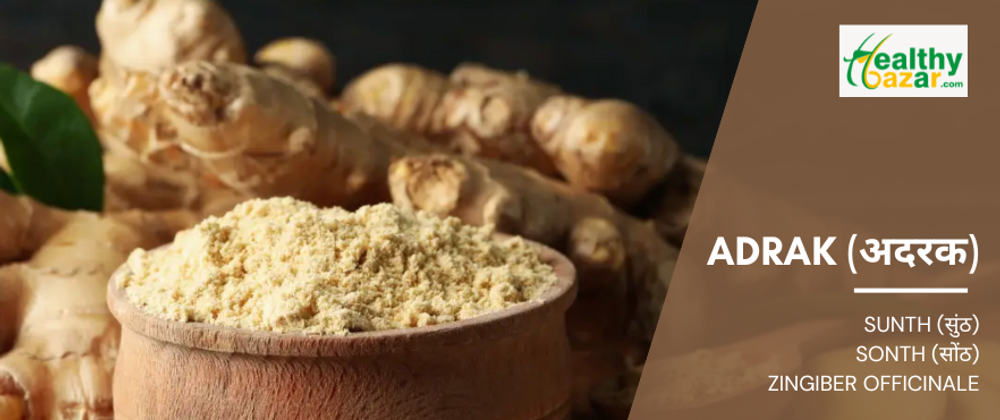
Adrak, or ginger, is a time-honoured root used across Ayurveda, Unani, and modern medicine. Ayurvedic tradition sees it as "Uṣṇa" (hot), "Katu" (pungent), and "Laghu–Rukṣa" (light-dry), promoting digestion (ancephaly), energy, and Vata–Kapha balance. Unani medicine appreciates ginger’s “Hot and Dry” temperament, using it as a digestive, anti-inflammatory, and circulatory stimulant. Modern science affirms these uses through its content of gingerols, shogaols, and other compounds offering anti-inflammatory, antioxidant, metabolic, and digestive benefits. Yet core benefits like nausea relief and joint pain reduction also come with caveats like potential gastrointestinal irritation or medication interactions [1][2].
Morphology - Habitat & Plant Morphology
Ayurveda & Unani View:
Ginger (rhizome of Zingiber officinale) is described as a fleshy, earthy root with a strong aroma, widely cultivated in India’s tropical regions, ideal for digestive and circulatory effects.
Modern Science:
Grows in humid, tropical climates, roots are rich in volatile oils and phenolics like gingerols and shogaols. Over 115 bioactive compounds have been identified, with composition varying by region and processing (fresh vs dried) [4][5].
Source, Part Used & General Dose
- Source: Cultivated rhizome worldwide.
- Part Used: Dried or fresh ginger root.
- Dosage:
- Ayurveda/Unani: 1-3 g powder, decoction, or juice.
- Modern Clinical: 1-3 g/day common; up to 4 g/day considered safe by FDA standards [1].
Properties of the Herb
- Ayurveda: Katu–Tikta Rasa (pungent–bitter), Laghu–Rukṣa Guna (light–dry), Uṣṇa Veerya (hot potency), Katu Vipāka (pungent post-digestion).
- Unani: Hot and dry temperament; activities include carminative, stimulant, and circulatory enhancement.
- Modern Science: Contains gingerols, shogaols, paradols—linked with antioxidant, anti-inflammatory, analgesic, antiemetic, hypoglycemic, and cardioprotective effects [4][7].
Benefits by Health Concern
Digestion & Nausea
- Traditions: Used to soothe nausea and improve digestion.
- Modern: Helps relieve morning sickness, post-op nausea, motion sickness, and hyperemesis. [2]
Inflammation & Pain
- Traditions: Warmed ginger applied for joint pain, menstrual cramps.
- Modern: Ginger reduces inflammation—e.g., in osteoarthritis, with effect comparable to NSAIDs in some trials. [3]
Metabolic & Cardiovascular
- Traditions: Used to aid fat digestion and balance metabolic energy.
- Modern: Improves lipid profiles, glucose regulation, and offers antioxidant heart protection. [1][8]
Others
- Anti-ulcer: Protects stomach lining via reduced acid and enhanced mucus. [1]
- Anticancer: Displays promising cytotoxicity and anticancer potential in lab models. [6]
- Cognitive: Enhances memory and neuroprotection in early trials. [7]
Multiple / Side Benefits
- Supports immunity and antioxidant defense.
- May benefit cognitive longevity.
- Gentle circulatory stimulant.
Forms & Dosage
- Powder (Churna): 1–3 g with warm water or honey.
- Decoction (Kashaya): 30–50 mL.
- Tea/Infusion: Fresh slices infusing in hot water.
- Capsules/Tablets: Standardized extracts per label.
Product Formulation
- Ayurvedic: Ginger juice, churna, ghrita blends.
- Unani: Combined with other herbs for digestive formulas.
- Modern: Encapsulated ginger extracts, pain-relief supplements, immune teas.
Risk Factors / Precautions
- Up to 4 g/day generally safe [1].
- Potential side effects: heartburn, diarrhea, blood thinning—caution when combining with anticoagulants. Avoid high doses in gallstone or bleeding disorder patients. [8][7]
Side Effects
- Mild gastrointestinal discomfort at high doses.
- Possible interaction with blood-thinners and going in for surgery [8]
Conclusion
Adrak beautifully bridges ancient wellness traditions and modern medicinal science. Its gentle heat, digestive aid, anti-inflammatory power, and metabolic support make it versatile—but as with any potent herb, correct dosing and awareness of contraindications are key.
FAQs
Q1. Can ginger relieve morning sickness?
Yes, traditional and clinical evidence support its use in reducing nausea during pregnancy and post-operatively. [1][2]
Q2. Can ginger reduce joint pain like ibuprofen?
In mild to moderate cases, some studies show comparable efficacy, especially when used consistently. [3]
Q3. Are there safe doses?
1-3 g/day is typical, up to 4 g/day considered safe. Higher doses may cause gastrointestinal upset or interact with medications. [1][8]
Q4. Is ginger good for diabetics?
Emerging studies show potential in lowering blood sugar and improving insulin sensitivity, but patients should monitor glucose closely. [9]
Bibliography
- Comprehensive review on ginger’s anti-diabetic, hepatoprotective, and ulcer-healing activities. [DOI:10.1007/s44187-025-00280-2] – Explores mechanisms by which ginger regulates blood sugar, protects liver health, and heals ulcers.
- Healthline: Benefits of Ginger — nausea, inflammation, metabolic effects. Health.com (Apr 2023) – Summarizes clinical findings, dosages, and caution points. Health
- Frontiers review on ginger’s pain-relief potential in osteoarthritis/dysmenorrhea. [DOI:10.3389/fphar.2021.779352] – Meta-analyses and clinical trial data.
- NCBI Herbal Medicine chapter detailing ginger’s bioactive compounds—gingerols, shogaols, etc. – Over 115 chemical constituents mapped. NCBI
- NCBI article summarizing historical uses and pharmacology of ginger. – Documents traditional uses and safety profile. PubMed
- ScienceDirect overview of ginger’s anticancer actions. – Lab and animal evidence across multiple cancer types. ScienceDirect
- IntechOpen chapter on ginger’s cognitive and neuroprotective potential. – Clinical and animal evidence for memory improvement. IntechOpen
- NCBI review on ginger’s cardiovascular benefits and bleeding risk. – Discusses lipid-lowering, antiplatelet effects, and caution in surgery. NCBI
- DovePress review on ginger’s hypoglycemic and metabolic syndrome modulation. – Animal and human studies on glycemic and lipid improvement. Dove Medical Press
 Where should we deliver your order?