Where should we deliver your order?


Ayurvedic
9 Yrs of Exp.
Top Rated
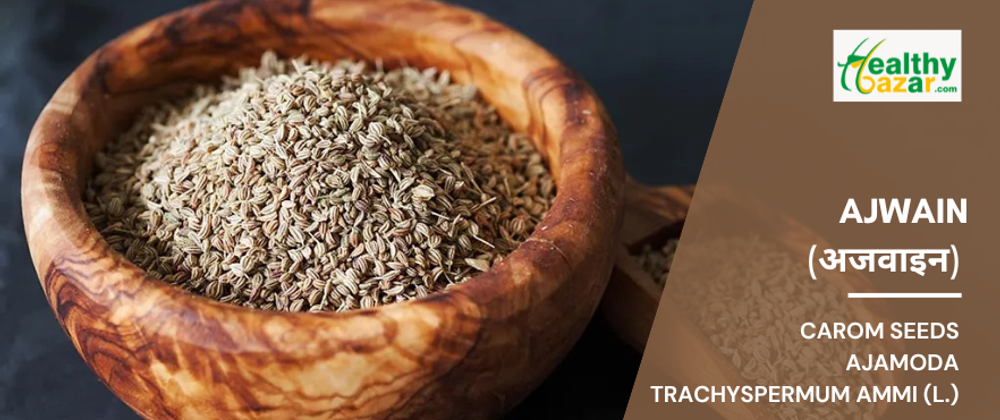
Ajwain, also known as carom seeds or bishop’s weed, is prized across Ayurveda and Unani for its powerful warming, digestive, and respiratory properties. Ayurvedic texts highlight its pungent, hot, and drying qualities that specifically balance Kapha and Vata doshas, promote digestion, alleviate gas, and support respiratory health. Unani literature similarly spotlights its carminative, expectorant, and diaphoretic actions. Modern science affirms Ajwain’s rich essential oil content (notably thymol) has antispasmodic, antimicrobial, anti-inflammatory, and hypolipidemic effects.
Ajwain is an annual herb in the Apiaceae family, featuring feathery leaves, small white flowers, and aromatic, ridged seed-like fruits (schizocarps). It thrives in dry, arid soils—and is widely cultivated in regions like Gujarat and Rajasthan. The herb’s botanical traits align with its capacity to concentrate potent essential oils.
Part Used: The dried fruit (commonly called seeds).
Precautions are essential, especially for children, pregnant individuals, or those with underlying conditions.
Ayurveda:
Dosha Effect: Kapha-Vata hara; Pitta aggravating.
Unani: Traditionally utilized for its warming and digestive-enhancing effects.
Modern Science: Contains thymol, p-cymene, γ-terpinene, carvacrol, and other volatile oils; recognized for anti-inflammatory, antispasmodic, antimicrobial, hypolipidemic, antihypertensive, and bronchodilating actions.
Ajwain has a broad spectrum of uses that span from digestion to immunity.
Digestive Health:
Traditionally, Ajwain has been the first remedy for gas, bloating, indigestion, and abdominal colic in both Ayurveda and Unani households. Its pungent and hot nature stimulates agni (digestive fire), helping to break down food more effectively. Modern research supports this, showing that thymol relaxes the smooth muscles of the gut, relieving spasms and flatulence [2][7].
Respiratory Wellness:
Ajwain smoke and decoction are classically used for cough, asthma, and chest congestion. Its Ushna Veerya (hot potency) helps clear phlegm and open up the respiratory tract. Scientific studies confirm its bronchodilating and expectorant actions, making it beneficial for asthma and chronic cough [1][5].
Pain and Inflammation:
Both Ayurvedic and Unani texts recommend Ajwain poultices or oils for arthritis, joint pain, and muscle stiffness. The warming properties improve circulation locally, while modern studies highlight its anti-inflammatory and analgesic activity due to thymol and carvacrol [2].
Cardiovascular and Metabolic Health:
Ajwain has been observed to support lipid metabolism and regulate blood pressure in animal studies. While Ayurveda does not explicitly describe this benefit, its ability to digest heavy foods and reduce Kapha indirectly aligns with these findings [1].
Antimicrobial Effects:
Ajwain seeds and oil have been used as antiseptics in folk medicine. Today, research validates its activity against E. coli, Salmonella, and certain fungi, highlighting its potential role in food safety and infection prevention [2].
Ajwain features in classic blends like “Anjanadya Churna,” digestive teas, carminative oils, and inhalation pastes for cough and congestion relief.
Ajwain is a culinary and medicinal powerhouse, digestive, respiratory, antimicrobial, and circulatory, with centuries of trusted use. Modern studies have affirmed many benefits, although high doses require caution. Used properly, it’s a warm, helpful ally to digestion and immunity.
Q1. Can Ajwain water help with weight management?
It may support digestion, metabolism, and mild appetite control, but it’s not a stand-alone weight-loss solution. Use in combination with diet and activity.
Q2. What’s the recommended dose for bloating relief?
A common home remedy is ½ tsp Ajwain soaked in warm water, sipped post-meal or upon feeling bloated.
Q3. Can Ajwain oil relieve a toothache?
Yes, a few drops gently massaged or inhaled can help. Always ensure dilution and consult a dental professional for persistent issues.