Where should we deliver your order?



Homeopathy
13 Yrs of Exp.
Top Rated
 4
4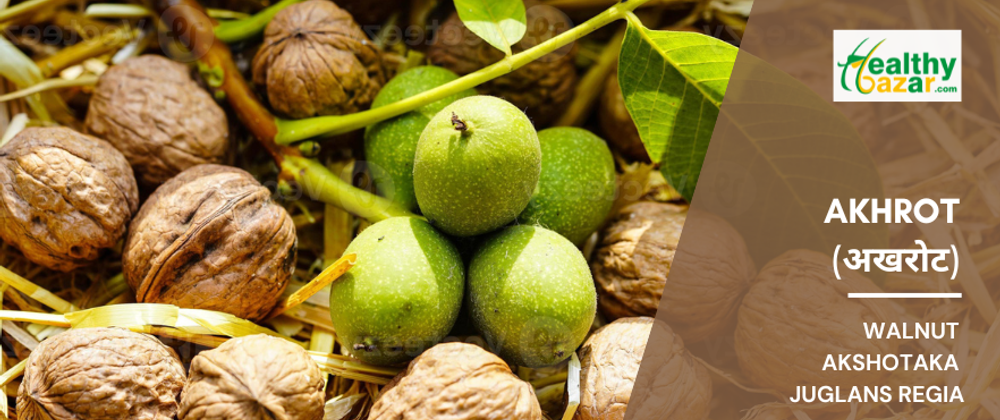
Ayurveda:
Known as Akhrot, walnuts are considered “snigdha” (unctuous), “guru” (heavy), and “ushna” (hot) in nature, with sweet taste (madhura rasa and post-digestive effect). They're highly valued for nourishing major tissues (dhatus), especially Majja (nervous tissue), supporting jam-packed benefits like brain health, immunity, and vitality. They calm Vata while strengthening the body. Easy AyurvedaDr. D. Y. Patil Ayurved College
Unani:
Though less elaborated, Unani practice regards walnuts as a restorative, brain-supporting tonic that promotes digestion and overall strength.
Modern Science:
Walnuts are nutritional powerhouses: rich in alpha-linolenic acid (plant-based omega-3), antioxidants (vitamin E, polyphenols), fiber, protein, and essential minerals. Clinical and observational research show benefits for heart, brain, gut health, mood, and metabolic regulation, making them a star in modern nutrition.
Walnut trees are deciduous and can grow anywhere from 30 to 130 feet. They originate from regions like the Himalayas and Kashmir but are now globally cultivated. The nut develops inside a green husk that splits open at ripening, revealing the wrinkled, brain-shaped seed we consume. It's notable for its high oil content—up to 65%, and abundant omega-3 fats.
Parts Used: Primarily the whole fruit (kernel); leaves and bark used in traditional medicine.
Ayurveda:
Supports Vata balance and tissue nourishment (dhatu vardhana).
Modern Science:
Walnuts are remarkably versatile:
Heart Health:
Studies show walnuts may lower LDL cholesterol and triglycerides, improving vascular function and reducing cardiovascular risk.
Brain & Mood Support:
Rich in omega-3s, polyphenols, vitamin E, and melatonin, walnuts support memory, focus, mood regulation, and neurological longevity. Research links them to delayed cognitive decline and improved learning.
Gut & Metabolic Balance:
High fiber and polyphenols nourish gut bacteria, reduce inflammation, stabilize blood glucose levels, and may help with weight management.
Skin & Hair Health:
Antioxidants support skin glow and protect from oxidative damage. Walnuts are also used in topical pastes for the complexion.
6. Multiple / Side Benefits
Nourishes Majja Dhatu and builds Ojas—promoting immunity, energy, and resilience (Ayurvedic concept).
Traditional remedies include remedies for cough, toothache, fatigue, body aches, and mental clarity using walnut-based preparations.
Used in Ayurvedic formulations like brain and immunity tonics, digestive blends, revitalizing lehyas, and topical pastes or lotions for skin and hair treatments.
Most people tolerate normal servings well, but excess can lead to digestive discomfort, weight gain, or allergic reactions.
Akhrot or walnut is a time-tested superfood beloved by traditional systems and modern science alike. From nourishing the nervous system and heart to supporting digestion and overall vitality, it’s a simple, nutrient-dense addition with layered benefits. Just be mindful of portion size and allergy status.
Q1. How many walnuts should I eat daily?
A typical recommendation is a small handful (~½–1 oz) daily, enough to reap their benefits without excess calories.
Q2. Are soaked walnuts better than raw?
Yes, soaking helps soften the nut, makes it easier on digestion, and potentially increases nutrient availability.
Q3. Can walnuts support skin health?
Certainly, rich in vitamin E and antioxidants, walnuts help protect and nourish skin; topical pastes are used for glow in Ayurveda.
Q4. Are walnuts good for cognitive function?
Indeed, they’re high in omega-3s, polyphenols, and other neuro-supportive nutrients that help with memory, stress reduction, and brain ageing.