Published On: Dec 25, 2025
Last Updated: Oct 16, 2026
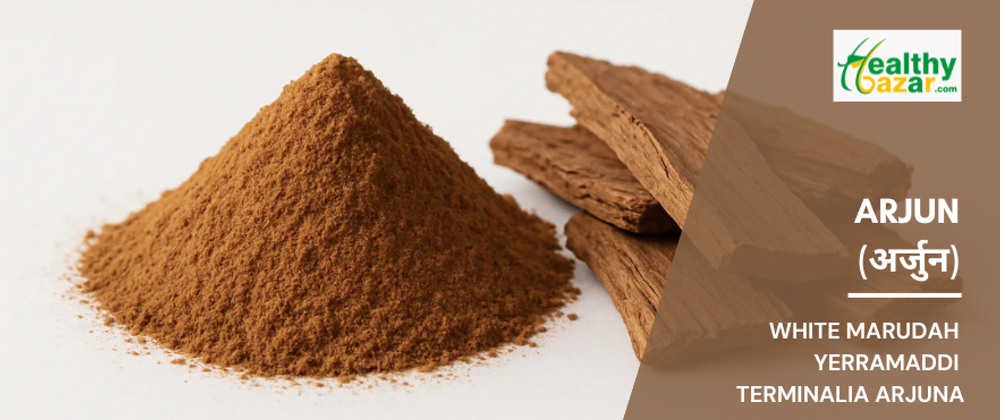
Arjuna (Terminalia arjuna) is a deciduous tree whose stem bark has been a principal cardiotonic drug in Ayurveda for centuries. Classical texts credit Arjuna with strengthening the heart, improving circulation, and supporting convalescence after cardiac events. Modern pharmacological and clinical research has focused on its bark extracts, demonstrating antioxidant, anti-ischemic, lipid-modulating and mild cardiotonic properties; clinical trials and observational studies report symptomatic benefit in stable angina and heart-failure syndromes though results vary by endpoint and study design. [1][2][4]
Morphology — Habitat and Plant Morphology
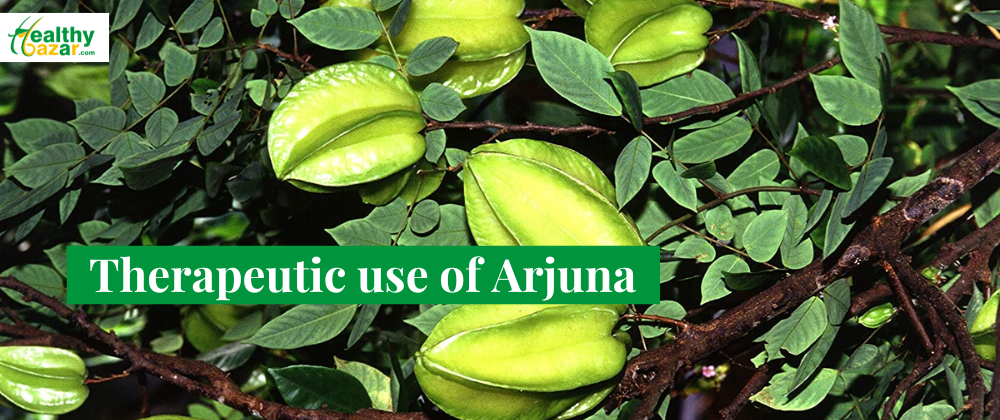
Botanical overview: Terminalia arjuna (family Combretaceae) is a medium to large deciduous tree with smooth, grey bark, oblong leaves, and fibrous, fissured trunk; the source material is principally the stem bark, harvested from mature trees. The species grows natively in riverine habitats and is widely cultivated across the Indian subcontinent and parts of Southeast Asia. Phytochemical concentration in bark varies with season, geography, and extraction method—important factors for standardisation. [3][8]
Source, Part Used & General Dose
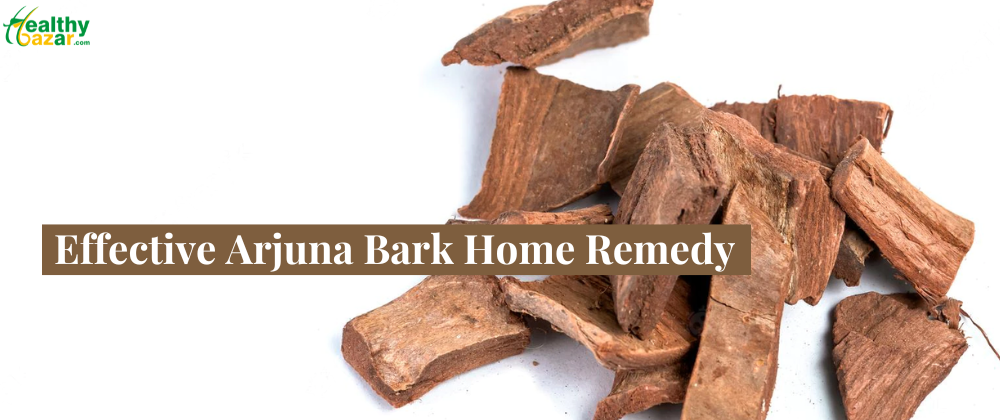
- Source / Part used: Stem bark (dried); sometimes standardized aqueous or hydroalcoholic extracts.
- Traditional forms: Decoction (kashaya), powder (churna), and medicated preparations (avaleha).
- Common modern doses (clinical trials / products): 500 mg bark extract three times daily (varies by study and product standardisation); typical standardised extracts supply 250–500 mg per dose. Do not assume interchangeability across brands—standardisation and extraction solvent differ. [3][4][6]
Properties of the Herb
- Ayurvedic properties: Rasa — Madhura (sweet) & Kashaya (astringent); Virya — Sheeta/Ushna descriptions vary by text; actions include hridya (cardiotonic), stambhana (astringent), and hrdya (heart strengthening).
- Unani properties: Used as a tonic and astringent for cardiac and circulatory weaknesses, often in compound preparations.
- Phytochemistry / modern pharmacology: Bark contains triterpenoids, glycosides (arjunin, arjuninol), tannins, flavonoids (arjunone, arjunolone), and oligomeric proanthocyanidins—compounds that plausibly mediate antioxidant, anti-ischemic, and lipid-modulating effects. [3][8]
Benefits of Herb According to Health Concern, Method of Use & Dose
Cardiovascular conditions
- Stable angina & exercise tolerance: Randomised and placebo-controlled studies show improved treadmill parameters and anginal symptoms with bark extract versus placebo or comparable benefit vs nitrates in some trials. [6][14]
- Chronic heart failure: Older and smaller trials, and some modern studies, report symptomatic improvement (NYHA class, exercise capacity) and improved biomarkers/antioxidant status, although change in left ventricular ejection fraction (LVEF) is inconsistent across trials. [5][4]
- Lipid profile & antioxidant reserve: Several controlled trials report reductions in LDL/total cholesterol and improvements in antioxidant markers after Arjuna supplementation. [7][20]
Typical methods used in studies: Standardised aqueous bark extract (250–500 mg, multiple times daily) or powdered bark per traditional decoction regimens. Duration of evidence ranges from weeks to a few months. [4][6]
Other areas (preclinical / exploratory)
- Anti-ischemic / myocardial protection: Animal models show reduced infarct size and improved cardiac enzyme profiles. [2][8]
- Antihypertensive / endothelial effects: Some evidence for improved endothelial function and mild blood pressure lowering in specific cohorts. [2][12]
- Wound healing / antimicrobial / hepatoprotective: Reported in preclinical studies (mechanisms attributed to tannins and antioxidants). [15][3]
Multiple Benefits or Side Benefits
Secondary, non-cardiac benefits reported include antioxidant protection, modest lipid lowering, improved exercise tolerance, and possible hepatoprotective effects in animal models; these are supportive but not definitive clinical endpoints. [3][7]
Forms of Herb & Dosages
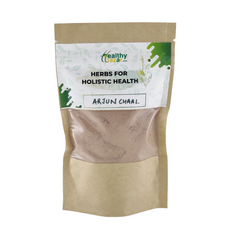
- Powder (churna): Traditional dosing varies; usually small doses (1–3 g) used in compound formulations.
- Decoction (kashaya): Prepared from bark 5–15 g boiled to concentrate (classical practice).
- Standardised extract (modern clinical): 250–500 mg per dose, typically 2–3 times/day in controlled trials. Confirm extract standard (e.g., % tannin or defined marker) before use. [4][6]
Product Formulation
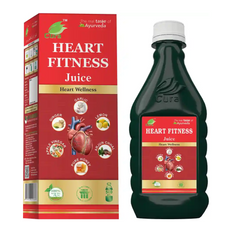
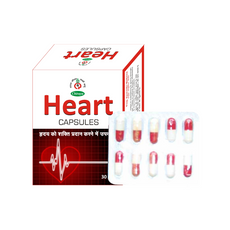
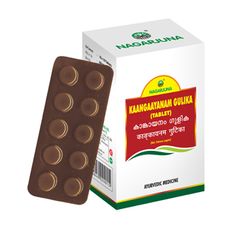
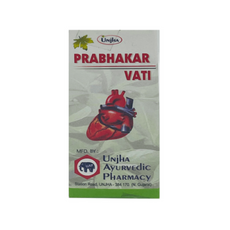
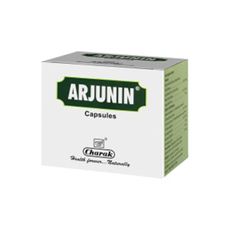
Commercial products include standardised Arjuna bark extracts in capsules/tablets, combined cardiovascular herbal formulas, and traditional Ayurvedic preparations (Arjuna ashava/avaleha). Quality depends on standardisation, absence of contaminants, and manufacturing controls. [3][8]
Risk Factors / Precautions
- Use caution with concomitant cardiotonic pharmaceuticals (e.g., digitalis-like drugs) and anticoagulants—possible pharmacodynamic interactions have been reported or are plausible. Monitor electrolytes and cardiac rhythm in patients with significant cardiac disease. [4][16]
- Avoid unsupervised internal use in pregnancy and lactation due to limited safety data.
- Standard safety advice: choose products from reputable manufacturers with certificates of analysis. [4][6]
Side Effects
Arjuna is generally well tolerated in clinical trials, with reported adverse effects being mild and infrequent (gastrointestinal discomfort, nausea). Rare case reports exist of idiosyncratic reactions; clinical monitoring is advised in patients with advanced cardiac disease. [4][5]
Conclusion
Arjuna bark has a long record in classical medicine as a cardiotonic; modern pharmacology supports plausible mechanisms (antioxidant, anti-ischemic, lipid-modulating) and clinical studies show symptomatic benefit in stable angina and some heart-failure parameters. Evidence quality varies—promising but not uniformly conclusive—so use should be guided by product standardisation and under clinical supervision when used alongside conventional cardiovascular therapies. [1][4][6]
FAQs — neutral, clinician-style
Q1. Can Arjuna replace standard cardiac drugs?
No. Arjuna may be a useful adjunct for symptom relief and antioxidant support, but it should not replace evidence-based cardiac medications. Any addition should be coordinated with the treating cardiologist. [4][6]
Q2. Is Arjuna safe in heart failure?
Clinical trials show symptomatic improvements, but effects on hard endpoints (mortality, LVEF consistently) are inconsistent; therefore, Arjuna may be considered adjunctively under supervision, not as a sole therapy. [5][4]
Q3. How long before benefits appear?
Trials typically report symptom or biomarker changes within weeks to 12 weeks; some benefits (e.g., exercise tolerance, symptom scores) appeared earlier, but duration and magnitude vary by study and formulation. [4][6]
Q4. Any interactions to watch for?
Potential interactions with anticoagulants/antiplatelets and other cardiotonic agents are conceivable; monitor clinically and consult pharmacology resources when combining therapies. [16]
Bibliography
- Ramesh P, et al. “Terminalia arjuna, a Cardioprotective Herbal Medicine — Relevancy in the Modern Era of Pharmaceuticals and Green Nanomedicine: A Review.” Pharmaceutics (MDPI). 2023;16(1):126. https://www.ncbi.nlm.nih.gov/pmc/articles/PMC9865560/ Recent open-access review summarising extraction methods, phytochemistry, and diverse pharmacological activities of T. arjuna, emphasizing cardiovascular relevance and avenues for modern formulation.
- Dwivedi S. “Revisiting Terminalia arjuna — An ancient cardiovascular drug.” J Ethnopharmacol. 2014;151(3):666–678. https://www.ncbi.nlm.nih.gov/pmc/articles/PMC4220499/ Comprehensive review of traditional use, phytochemistry, mechanisms of action, and preclinical/clinical evidence supporting cardioprotective effects.
- Mandal S, et al. “Analysis of phytochemical profile of Terminalia arjuna bark and characterization of major constituents.” Pharmacognosy Res. 2013;5(3):145–152. https://www.ncbi.nlm.nih.gov/pmc/articles/PMC3805097/ Phytochemical study documenting major bioactive constituents (tannins, triterpenoids, flavonoids) in bark and implications for biological activity and standardisation.
- Maulik SK, et al. “Clinical efficacy of water extract of stem bark of Terminalia arjuna in chronic heart failure: a randomized, double-blind, placebo-controlled study.” Eur J Integr Med. 2016; (trial abstract / PubMed entry). https://pubmed.ncbi.nlm.nih.gov/26988798/ Randomised clinical trial: no significant improvement in LVEF over 12 weeks but improvement in functional capacity, antioxidant markers and selected symptom domains—illustrates modest, clinically relevant benefits in some patients.
- Bharani A, et al. “Salutary effect of Terminalia arjuna in patients with severe refractory cardiac failure.” Indian Heart J. 1995;47(5):335–338. https://pubmed.ncbi.nlm.nih.gov/7649665/ Early clinical study reporting symptomatic and echocardiographic improvements in severe heart-failure patients treated with Arjuna versus placebo.
- Kaur N. “Terminalia arjuna in chronic stable angina: A review of clinical evidence.” Pharmacogn Rev. 2014;8(16):1–7. https://www.ncbi.nlm.nih.gov/pmc/articles/PMC3926224/ Systematic review of clinical studies in stable angina and related cardiovascular conditions, summarising trial designs, doses, and outcomes.
- Gupta R, et al. “Antioxidant and hypocholesterolaemic effects of Terminalia arjuna tree-bark powder: a randomized placebo-controlled trial.” J Assoc Physicians India. 2001;49:231–235. (Reference summary in reviews). Clinical trial reporting antioxidant improvements and modest lipid-lowering effects with bark powder supplementation.
- Rao V, et al. “Characterisation of polyphenols in Terminalia arjuna bark and their biological activities.” Eur J Med Chem. 2013; (polyphenol characterisation / Europe PMC summary). https://europepmc.org/articles/pmc3630729 Molecular characterisation of bark polyphenols and discussion of their likely roles in cardioprotection and antioxidant activity.
- Kapoor D. “Terminalia arjuna in coronary artery disease: mechanisms and evidence.” Cardiovasc J. 2014; (review). https://www.sciencedirect.com/science/article/abs/pii/S0378874114005066 Review focusing on mechanisms of anti-ischemic action and summarising clinical evidence in coronary disease.
- Phytomedicine and other trials (select clinical literature). e.g., Dwivedi & Dwivedi series and other peer-reviewed clinical studies from 1994–2016 illustrating both preclinical mechanisms and human trial outcomes. (See indexed reviews above for consolidated citations.) [collection reference]
 Where should we deliver your order?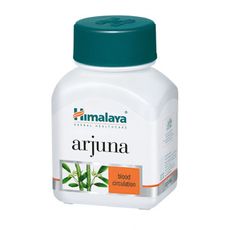







 4
4