Published On: Dec 30, 2025
Last Updated: Oct 9, 2026
Ayurveda:
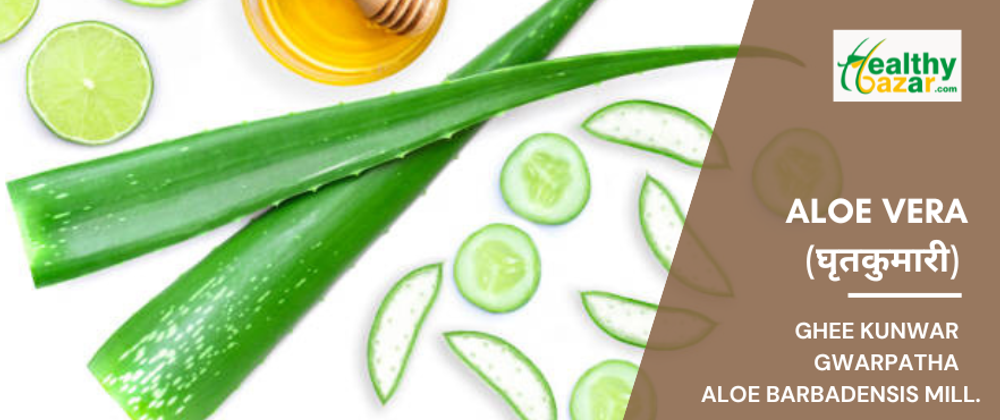
Known as Kumari, Aloe Vera is cooling (Sheeta virya), slightly bitter and astringent (Tikta–Kashaya rasa), with a sweet post-digestive effect (Madhura vipaka). It’s prized for pacifying Pitta and Kapha doshas, nourishing tissues (dhatu-vardhana), and acting as a rejuvenating tonic (rasayana) for the skin and digestion.
Unani:
Also valued in Unani medicine as a cooling, soothing agent, traditionally used for digestive discomfort, skin inflammation, and general heat-related conditions.
Modern Science:
Aloe Vera is rich in bioactive compounds, including antioxidants, vitamins A, C, E, enzymes, and polysaccharides like acemannan. Research supports its anti-inflammatory, healing, digestive, glycemic, and dermatological benefits—both topically and orally.
Morphology – Habitat & Plant Traits
Aloe Vera is an evergreen succulent from arid subtropical regions. Revered primarily for its inner leaf gel, which contains healing acemannan and other constituents. The outer latex layer (with aloin) carries potential toxicity when ingested in unprocessed form.
Source - Part Used & General Dosage
- Parts used: Inner leaf gel; whole leaf extract (gel + latex) used with caution; topical creams.
- Ayurveda/Unani dose: ~20–40 ml fresh gel or juice, once or twice daily—keep under 50 ml to avoid digestive upset.
- Modern guidelines: Topical use is common; oral dosage varies widely depending on form and processing.
Properties of Aloe Vera
- Ayurvedic qualities: Bitter/astringent taste, cooling energy, sweet post-digestive effect; ideal for balancing heat and adding gentle nourishment.
- Modern components: Includes aloesin, emodin, vitamins, antioxidants, enzymes, and polysaccharides for healing and cellular support.
Benefits by Health Concern
- Skin & Wound Healing: Aloe Gel speeds healing of burns, cuts, and rashes; reduces inflammation and itching.
- Digestive Support: Gently relieves GERD, IBS, and ulcers with anti-inflammatory and mucosal-soothing action.
- Blood Sugar & Metabolism: Oral use may modestly decrease blood glucose, reduce fat accumulation, and support weight management.
- Oral Health: Mouthwash or gel helps heal mouth sores and dental mucositis.
Multiple / Side Benefits
- Anti-aging & Skin Care: Aloe extracts, especially from the rind, may guard against UV damage and cellular aging via nanoparticle action.
- Immune & Antioxidant Boost: High antioxidant profile protects cells from oxidative stress.
Forms & Dosage
- Topical Gel: Use 2–3 times daily for skin relief.
- Juice/Gel (Oral): 20–50 ml before meals for internal therapy.
- Processed Extracts: Use third-party tested products for safety.
Product Formulation
Aloe appears in skincare products (soothing gels, creams), burns ointments, mouth rinses, and internal tonics. Internal use requires careful formulation to remove toxic latex runs.
Risk Factors / Precautions
- Oral use: Aloe latex can cause diarrhoea, electrolyte disturbances, and colon changes; whole-leaf extracts are possibly carcinogenic (IARC Group 2B).
- Pregnancy: Avoid internal use due to risk of uterine contractions, dehydration, and blood sugar interference. Topical usage is generally safe but should be patch-tested.
- Allergy & Interactions: Possible allergic skin reactions; ingestion may interact with diabetes, cardiac, or diuretic medications.
Side Effects
Oral side effects can include cramps, vomiting, diarrhea, electrolyte imbalance, and in rare cases, hepatic issues. Topically, it can cause dermatitis in sensitive people.
Conclusion
Aloe Vera is a timeless healer—cooling, soothing, and versatile. Whether calming your skin or supporting gut health, it thrives in traditional wisdom and modern validation. Yet as a strong herb, it must be used thoughtfully, especially internally.
FAQs
Q1. Can Aloe gel soothe sunburn?
Yes, its cooling, anti-inflammatory agents help reduce pain, redness, and accelerate healing.
Q2. Is it safe to drink Aloe juice daily?
Small doses (20–50 ml) can support digestion, but whole-leaf or latex-containing forms carry risks. Use moderated, trusted products.
Q3. Should pregnant women use Aloe?
Internal use is not recommended due to uterine stimulation risk. Topical use is safer but consult your doctor.
Q4. Can Aloe help manage blood sugar?
Preliminary evidence suggests it may modestly improve blood sugar control in prediabetes or diabetes; more research is needed.
Bibliography
- Ayurvedic Properties of Aloe Vera (Tridosha, Rasa, Guna, Virya, Vipaka) – Deep dive into traditional energetics. ayurvedicindia.info
- NCCIH – Aloe Usefulness & Safety – Clinical overview of topical and oral applications, safety cautions. NCCIH
- Medical News Today – Aloe Vera Benefits – Summarizes antibacterial, wound healing, dental, blood sugar, and risks. Medical News Today
- Verywell Health – Topical & Oral Benefits – Wide-ranging health benefits and safety tips. (Published Jun 2, 2025) Verywell Health+1
- EatingWell – Aloe Vera Health Benefits – Digestive and dermatological uses with nutritional insight. EatingWell
- NY Post – Aloe Nanoparticles & Anti-Aging in Skin – Emerging topical tech from rind source. New York Post
- Wikipedia – Aloe Vera Toxicity & Interactions – Notes on carcinogenic risk, drug interactions, and topical vs oral safety. Wikipedia
- Parenting & Health Sites – Aloe use in Pregnancy – Medical cautionary details against ingestion during pregnancy. FirstCry ParentingMini Klub Parentingbabyreadyhub.com
- Reddit Practitioner Notes – “Inner fillet only”; highlights toxicity risk and potential carcinogenic concern. Reddit
- Aloe Vera Ayurvedic Insights (Ask Ayurveda) – Dosing guidelines, traditional applications, and safety considerations. Ask Ayurveda
 Where should we deliver your order?