Where should we deliver your order?



Ayurvedic
13 Yrs of Exp.
Top Rated
Ayurveda:
Alsi (flaxseed) is valued in traditional Ayurveda for its madhura–kashaya (sweet–astringent) taste and sheeta (cooling) potency, delivering soothing nourishment (dhatu-vardhana), balancing Vata–Pitta, and aiding gentle detoxification.
Unani:
Unani tradition similarly employs Alsi as a cooling, grounding seed—especially to soothe digestive discomfort and internal heat.
Modern Science:
This tiny seed is power-packed with omega-3s (ALA), lignans, fiber, mucilage, and antioxidants. It’s linked to cardiovascular protection, blood sugar balance, hormone support, and skin health.
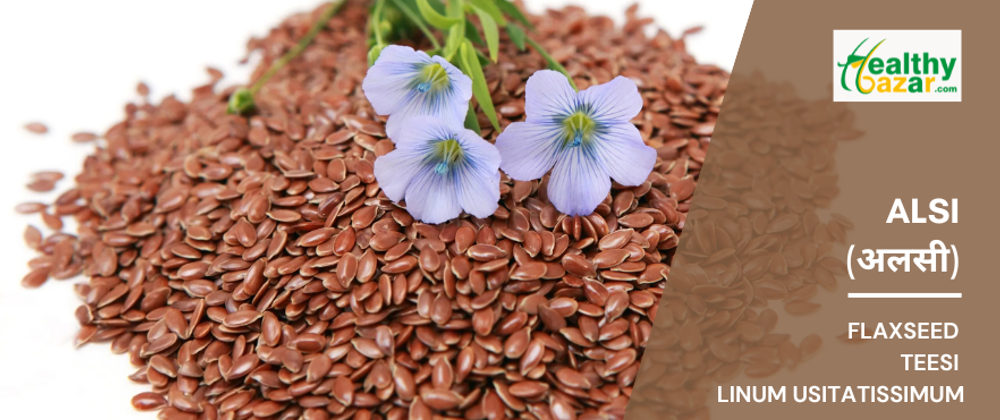
Flax is a plant with elegant blue flowers; its seeds—brown or golden—are rich, oily, and fibrous. Both colors offer similar nutrition and are widely used.
Part Used: Whole or ground seeds, and oil.
Ayurveda/Unani: ~5–10 g (1–2 tsp) daily.
Modern Diet Guidelines: Around 1–2 tbsp (7–14 g) daily, ideally ground for absorption.
Ayurveda: Rasa: Sweet + Astringent; Virya: Cooling; Effect: Pacifies Vata–Pitta, deeply nourishing.
Modern Science: Rich in omega-3s, lignans, fiber, antioxidants, and sterols—conferring anti-inflammatory, hormonal, and metabolic benefits.
Digestive Health & Regularity
Flax’s soluble and insoluble fibers (and mucilage) gently ease the stool and support a healthy gut microbiome—making it excellent for constipation and overall digestion.
Heart & Metabolic Wellness
Omega-3s, fiber, and lignans together help reduce LDL cholesterol, improve blood pressure, and support glucose regulation—all backed by multiple clinical studies.
Hormonal & Menopausal Support
Lignans in flax act as mild phytoestrogens and may ease menopausal symptoms and hormonal fluctuations.
Anti-inflammatory and Skin Health
Flaxseed’s omega-3 and antioxidant content reduce inflammation, nourish skin, and support joint comfort.
Neuro-Metabolic Benefits
Preliminary studies suggest flaxseed can reduce fatigue, support mental energy, and assist metabolic health indicators like insulin resistance.
Ayurveda views Alsi as Balkara—strength-giving—and Ojaskara—enhancing vitality. Modern views align: it's calming, rebuilding, and excellent for skin and hair glow.
Stay hydrated due to high fiber.
Alsi appears in Ayurvedic teas, skin oils, and formulations for hormonal and digestive wellness. Modern uses include ground seeds in smoothies and capsules.
It can cause bloating or diarrhoea if suddenly increased without water. May interfere with blood sugar, blood pressure, or anticoagulant medications—caution advised in pregnancy and allergies.
Generally safe. Overuse may lead to GI discomfort, mild anticoagulant effects, or allergic reactions in rare cases.
Alsi is a gentle yet powerful seed—cooling, nourishing, digestive, hormonal, and metabolic. Rooted in traditional wisdom and supported by modern research, it’s a versatile addition to daily wellness—when used with care.
Q1. Should Alsi be soaked or ground?
Yes, ground or soaked forms unlock nutrients and ease digestion.
Q2. How much is safe daily?
1-2 tsp (5-10 g) is typical; up to 2 tbsp is safe in moderation for most people.
Q3. Can Alsi help during menopause?
Yes, the lignans act as mild phytoestrogens and may alleviate hormonal imbalance symptoms.
Q4. Does it really improve blood sugar and cholesterol?
Evidence supports modest benefits in lowering LDL, BP, and improving insulin resistance, especially when consumed regularly.