Where should we deliver your order?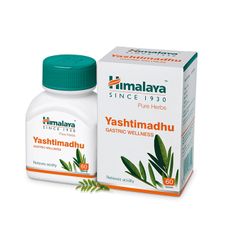









Ayurvedic
8 Yrs of Exp.
Top Rated
 5
5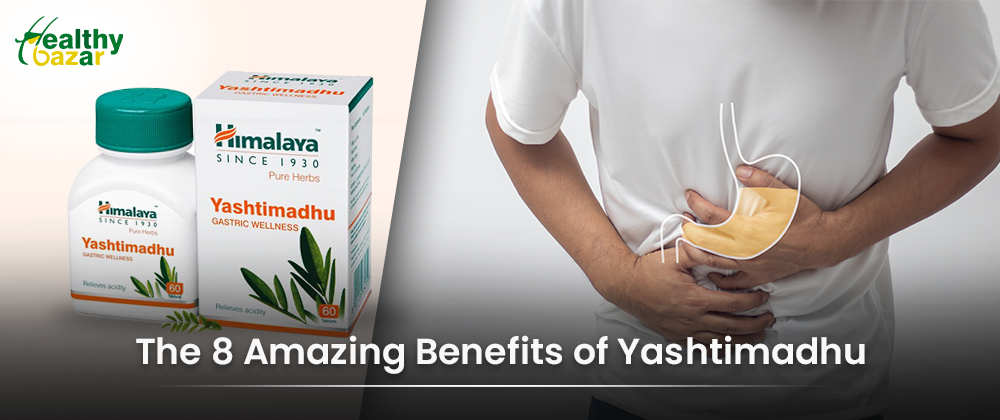
Most people have seen those small, woody sticks of mulethi sitting on a kitchen shelf or heard someone say "chew on licorice root" when a cough refuses to leave. What many do not realize is that this unassuming root, called Yashtimadhu in Sanskrit, has been a quiet healer across three different continents for thousands of years. The name comes from two words, "Yashti" meaning wood and "Madhu" meaning honey, and that tells you the first thing about it: the root tastes remarkably sweet, somewhere around forty to fifty times sweeter than regular sugar. But sweetness is just the surface.
The ancient Egyptians knew it. The Chinese herbal texts mention it. Greek physicians wrote about it. And in Ayurveda, Yashtimadhu has never lost its place as a remedy for a surprisingly wide range of problems, from stomach ulcers to hair fall. The active compound behind most of its effects is called glycyrrhizin, which gives the root its characteristic sweetness, but there is a lot more going on inside that thin brown skin. Flavonoids, phytosterols, essential oils, amino acids, minerals like calcium, iron, and magnesium, and a handful of vitamins, including B1, B2, B3, B5, E, and C. All of these work together, which is why a single herb can do so many different things.

One of the oldest uses of Yashtimadhu is for the stomach. People who suffer from recurrent acidity, gastritis, or even ulcers have found relief by taking it regularly. The herb has anti‑inflammatory and anti‑ulcer properties that calm the lining of the stomach, and the glycyrrhizic acid in it actually fights Helicobacter pylori, the same bacterium responsible for many peptic ulcers. That does not mean someone with a bleeding ulcer should ignore their doctor and just chew on mulethi. But for everyday indigestion, for that uncomfortable burning sensation after a spicy meal, Yashtimadhu works in a way that feels gentle and natural.
In India, this is probably where Yashtimadhu gets most of its attention. Walk into any home during winter or monsoon, and someone will have a jar of mulethi powder or a few sticks saved for when a cough starts. It soothes the throat, reduces irritation, and acts as an expectorant, which means it loosens the mucus stuck in the chest and makes coughing actually useful instead of just exhausting. The antibacterial side of the herb also cuts down the chances of a simple cold turning into a more serious chest infection.
There is a growing body of understanding around how Yashtimadhu affects blood lipids. The herb helps convert fats into bile, which the body then eliminates, and this process naturally lowers the levels of LDL cholesterol and triglycerides. Over time, less plaque builds up inside the arteries. That means a lower risk of heart attacks, strokes, and the kind of gradual artery hardening that creeps up without any symptoms. For anyone with borderline high cholesterol who wants to try something alongside dietary changes, Yashtimadhu is worth looking into.
People managing diabetes often struggle with sudden spikes in blood sugar after meals. Yashtimadhu contains a compound called glabridin that does two useful things. It nudges the pancreas to release more insulin, and it slows down how fast sugary foods get broken down in the gut. The result is a smoother, more gradual rise in blood sugar rather than a sharp peak. This does not make it a replacement for diabetes medication, but as a supportive herb taken under a doctor's guidance, it has real value.
Nobody should claim that Yashtimadhu melts fat or suppresses appetite. That is not how it works. What it does is support digestion, lower stress, and improve immunity, and those three things together create an internal environment where maintaining a healthy weight becomes easier. When digestion is strong, nutrients get absorbed properly, and waste gets eliminated efficiently. When stress is lower, the body stops hoarding fat around the belly. And when immunity is good, energy levels stay high enough for physical activity. Yashtimadhu plays a supportive role in all of this, quietly in the background.
Men who struggle with premature ejaculation often find that anxiety makes everything worse. The more they worry about finishing too soon, the sooner it happens. Yashtimadhu works on the nervous system in a way that reduces the underlying hyper‑excitability without causing drowsiness or dullness. It promotes a steady, relaxed state, and that translates into better control. Traditional Ayurvedic texts have mentioned this use for centuries, and modern practitioners still recommend Yashtimadhu tablets for this reason.
Chronic tiredness is one of those complaints that does not show up on any test but drains life out of daily routines. Yashtimadhu helps here by supporting the liver, kidneys, and adrenal glands, the organs that deal with stress and detoxification. When these organs work well, the body does not feel constantly weighed down. The herb also has antimicrobial properties that keep common infections at bay, and over time regular use leads to fewer sick days and a general sense of having more stamina.
The same root that calms a cough also increases blood circulation to the scalp. Better blood flow means hair follicles get more oxygen and nutrients, which encourages growth and slows down premature ageing. For skin, the antioxidants in Yashtimadhu fight the free radicals that break down collagen, so fine lines and wrinkles show up later than they otherwise would. And because the herb also improves sleep quality and reduces stress, two major causes of hair fall and dull skin get addressed at their root. That is why Yashtimadhu powder is often found in traditional hair masks and skin packs.
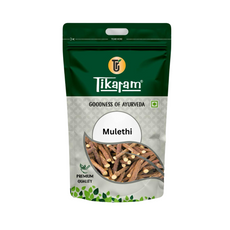
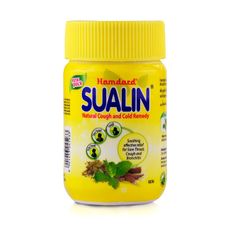
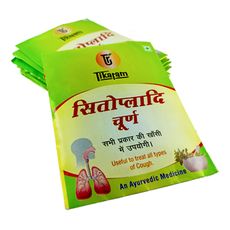
For anyone wanting to bring Yashtimadhu into their daily routine, there are several solid options. Himalaya Yashtimadhu Tablet comes at ₹135 after a 15% discount from ₹150. Tikaram Naturals offers plain Mulethi for ₹130 instead of ₹150. For cough relief, Hamdard Sualin comes in a two‑pack at ₹150 down from ₹160. Tikaram Naturals also has Sitopaladi Churna, a five‑pack for just ₹50, and Honey at ₹80 after a 20% discount. All of these are available on HealthyBazar.
Yashtimadhu is not a magic wand. No herb is. But its long journey through Ayurveda, Chinese medicine, and ancient Greek healing texts did not happen without reason. Whether it is a burning stomach, a stubborn cough, rising cholesterol, unstable blood sugar, poor immunity, hair thinning, or the frustration of premature ejaculation, this sweet root has shown again and again that it can help. The trick is to use it consistently, respect the dosage, and remember that it works best alongside good food, proper sleep, and a lifestyle that does not constantly fight against the body. For those willing to give it a fair chance, Yashtimadhu remains one of the most dependable herbs in the entire Ayurvedic tradition.

Meet an expert Ayurveda physician who specializes in Garbhasanskar and Bejsanskar practices. She is dedicated to providing prenatal and postnatal care and guiding pregnant women and their families towards holistic well-being. Her extensive knowledge of traditional practices, nutrition, and lifestyle promotes optimal fetal development, mental well-being, positive birth experience, and a nurturing environment for the mother and the unborn child through Ayurvedic wisdom. Experience the transformative power of Ayurveda for a joyous and healthy parenthood.

 5
5 4
4