Where should we deliver your order?




Ayurvedic
13 Yrs of Exp.
Top Rated
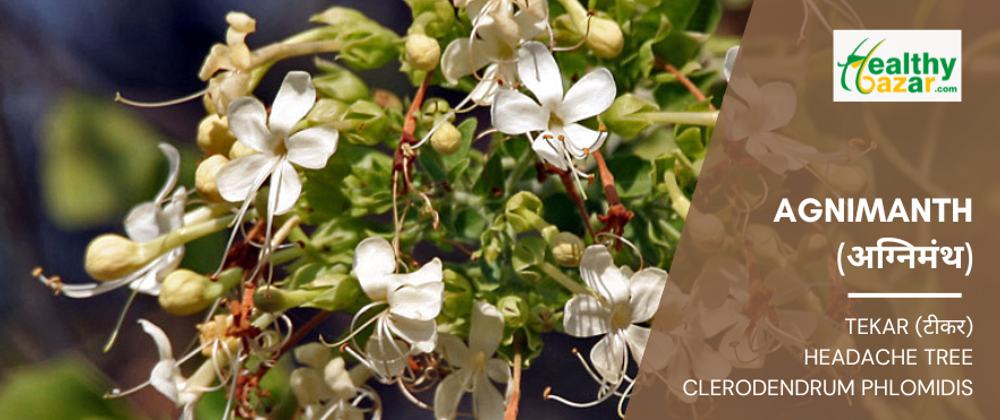
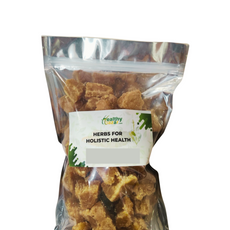
Agnimantha, rooted in the Sanskrit name meaning “fire churner,” embodies its powerful digestive and metabolic effects. In Ayurveda, it’s a revered member of the Dashamoola (ten roots) category, used for inflammation, low digestive fire (Agni), chills, constipation, and more, always administered after purification and with precision. Unani practitioners echo its role as a digestive energizer, diuretic, and anti-inflammatory agent. Modern research, though limited, indicates its leaves and roots offer anti-inflammatory, antioxidant, and antimicrobial benefits, aligning with its traditional uses.
Agnimantha grows as a small to medium deciduous tree or shrub, tall and branching with serrated glossy leaves and fragrant cluster flowers that bloom in spring. It bears small fruit about the size of a peanut. Native across India, especially in dry deciduous and coastal areas, it thrives in neglected lands and forests. Two species commonly used are Premna integrifolia (Laghu Arni) and Clerodendrum phlomidis (Brihat Arni), often substituted in practice.
Featured in classical preparations like Dashamoola Kwatha, Narayana Taila, and Agnimanthadi Kashaya. Modern takes include joint-pain massage oils and digestive teas.
When misused, it may cause mild acidity or dryness. No major toxicities are widely reported, but caution is warranted.
Agnimantha is a classic Ayurvedic powerhouse, light, drying, hot, and deeply metabolic. It aligns beautifully with modern phytochemical findings and may serve root-level healing in digestive, inflammatory, and metabolic domains. Use it with thoughtfulness and expert guidance, and you’re tapping into centuries of wellness wisdom.
Q1. What's the main difference between Laghu and Brihat Agnimantha?
Laghu refers to Premna integrifolia, while Brihat refers to Clerodendrum phlomidis. Both are used similarly but differ in botanical features; authenticity and processing matter.
Q2. Can Agnimantha help with piles or urinary issues?
Yes, root decoctions are traditionally used for piles and painful urination. Many home remedies apply topical poultices for relief.
Q3. Is it safe for kids?
Gently used post-purification, it can support digestion, but always follow pediatric and Ayurvedic guidance.

Dr. Chitranshu Saxena is a well-known Ayurvedic Practitioner, Medical Cannabis Practitioner, BAMS, MD, PhD (Ayurvedacharya). He has more than 9 years of experience in Ayurveda and Naturopathy. Dr. Saxena has successfully treated numerous patients suffering from chronic illnesses, providing personalized care, compassion, and effective communication. He consults in both Hindi and English language. Dr. Chitrannshu lives in Meerut, Uttar Pradesh.